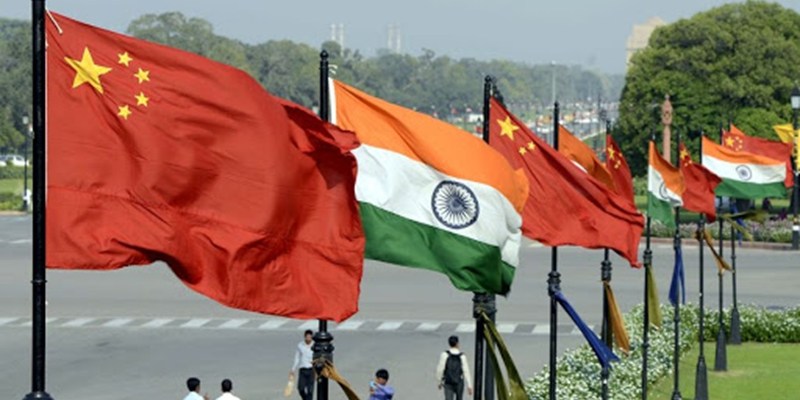
In 1993, China and India signed the Agreement on the Maintenance of Peace and Tranquility along the Line of Actual Control in the China-India Border Areas. Another Sino-Indian agreement was signed in 1996, which states “no activities of either side shall overstep the line of actual control.” The series of agreements between the two nations in the 1990s effectively mark the end of the 1962 Sino-Indian War, while also affording the Line of Actual Control (LAC) legal recognition.
India has criticized China’s recent militarization in East Ladakh, which is located on the 3,488 kilometer-long LAC, and urged Beijing to de-escalate and disengage the People’s Liberation Army. The Modi administration in India has given China an ultimatum—reduce military forces along the LAC or jeopardize the future of Sino-Indian relations.
Senior Indian official writes: “India is quite capable of handling the military to military posture on the LAC, but the entire economic relationship will go for a toss if PLA does not de-escalate. It cannot be business as usual for China if this situation continues. It is this call that General Secretary Xi Jinping has to take.”
As China continues to aggravate India with aggressive posturing along the LAC, the economic partnership between China and India will similarly be at risk.
Read the full report here:
 China Global Perception